
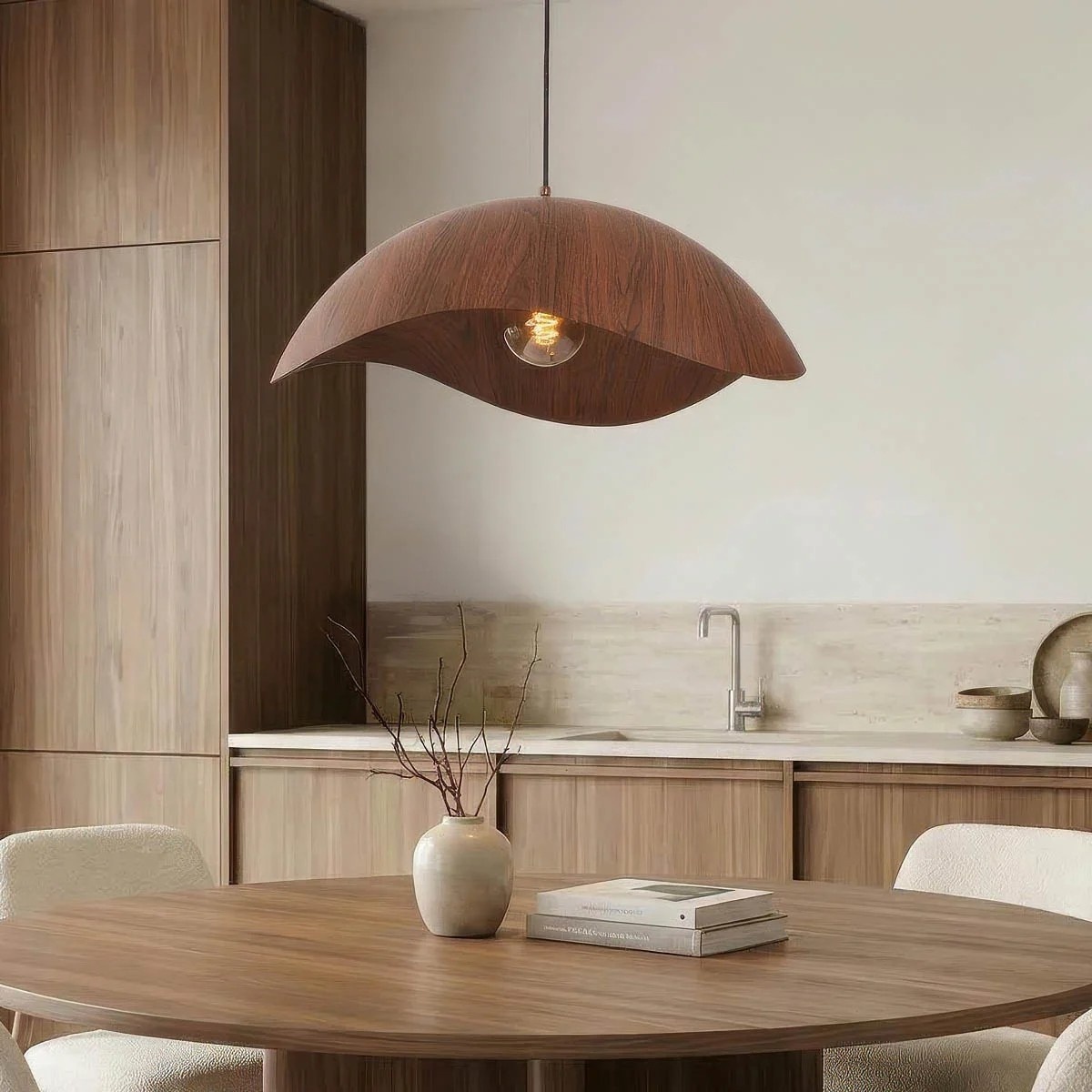
How to choose the right brightness for your lighting
Choosing the right light source: wattage, lumen and Kelvin explained.
Choosing a lamp is often straightforward, but selecting the right light source requires a little more consideration. How much light do you need, and what do terms such as wattage, lumen and Kelvin really mean?
In this guide, we explain how to choose the right light source for your lamp and interior. If you’re ready to find the perfect match, explore our range of light sources.
Wattage no longer tells the full story of a lamp’s brightness
In the past, a bulb’s brightness was often judged by its wattage. A 40W bulb produced less light than a 60W bulb. With modern LED lighting, however, this is no longer the case.
Today, wattage (W) mainly indicates how much energy a bulb consumes, rather than how much light it produces. This is because LED bulbs are far more efficient than traditional incandescent bulbs.
Instead, light output is measured in lumens (lm), which gives a more accurate indication of brightness.
Lumen: the true measure of a bulb’s brightness
When choosing a new light source, lumens are the most important value to consider, as they indicate how much light a bulb actually produces.
A handy guideline:
-
200 – 400 lumen → soft ambient lighting
-
400 – 700 lumen → general lighting for smaller spaces
-
800 – 1200 lumen → bright light for more functional areas
For many pendant lights, table lamps and wall lights in the home, a light source between 400 and 800 lumens offers a good balance between atmosphere and sufficient brightness.
Looking for a suitable light source? Explore our range of E27 LED bulbs, one of the most commonly used fittings in the home.
Kelvin: understanding warm and cool lighting
In addition to brightness, the light colour also determines how a room feels. This is indicated in Kelvin (K).
-
1800K – 2200K → Extra warm light, comparable to candlelight
-
2700K → Warm white light, ideal for living rooms and dining rooms
-
3000K → A warm, neutral light, sitting between cosy and functional
-
4000K and higher → Cool and bright light, commonly used in workspaces and spotlighting
To create an atmospheric feel in your space, choose extra warm LED light around 2200K or 2700K. This ensures a soft, warm look in the interior.
Dim-to-warm: create a cosy atmosphere with light that becomes warmer when dimmed.
An exciting development in lighting is dim-to-warm technology. These light sources automatically adjust their colour as you dim them—the lower the brightness, the warmer the light becomes. This makes it easy to switch from practical, functional lighting to a soft, cosy glow.
A great example is this E27 dim-to-warm LED bulb (6.5W, 1800–3000K).
To use a dim-to-warm bulb, you’ll need a compatible LED dimmer. You might opt for a wall dimmer. This allows you to effortlessly adjust both the brightness and the ambience in your home.
3-step dimmable lamps: effortless brightness control at the touch of a switch
Not every lamp requires a dimmer or complicated installation. With 3-step dimmable LED lamps, you can easily adjust the brightness using your existing light switch.
Simply switch the lamp on and off in quick succession to move between three settings:
- 100% light → bright and functional
- 50% light → ideal for everyday use
- 10–20% light → warm, soft ambient lighting
This makes 3-step dimmable lamps perfect for spaces where you want flexibility without extra technology—such as the dining room, bedroom, or a cosy seating area.
Filament LED lamps: classic style, modern efficiency
Nowadays, the appearance of the light source plays an important role. After all, in many open fittings, the bulb remains visible. Filament LED bulbs are therefore a popular choice for pendant lights or wall lights without a shade—for example, a hanging pendant above the dining table where the bulb itself becomes part of the design.
These bulbs combine modern LED technology with the look of classic incandescent lamps. The visible filaments create a warm, atmospheric feel, while keeping energy consumption low.
Discover our customers’ favourite filament LED bulbs here.
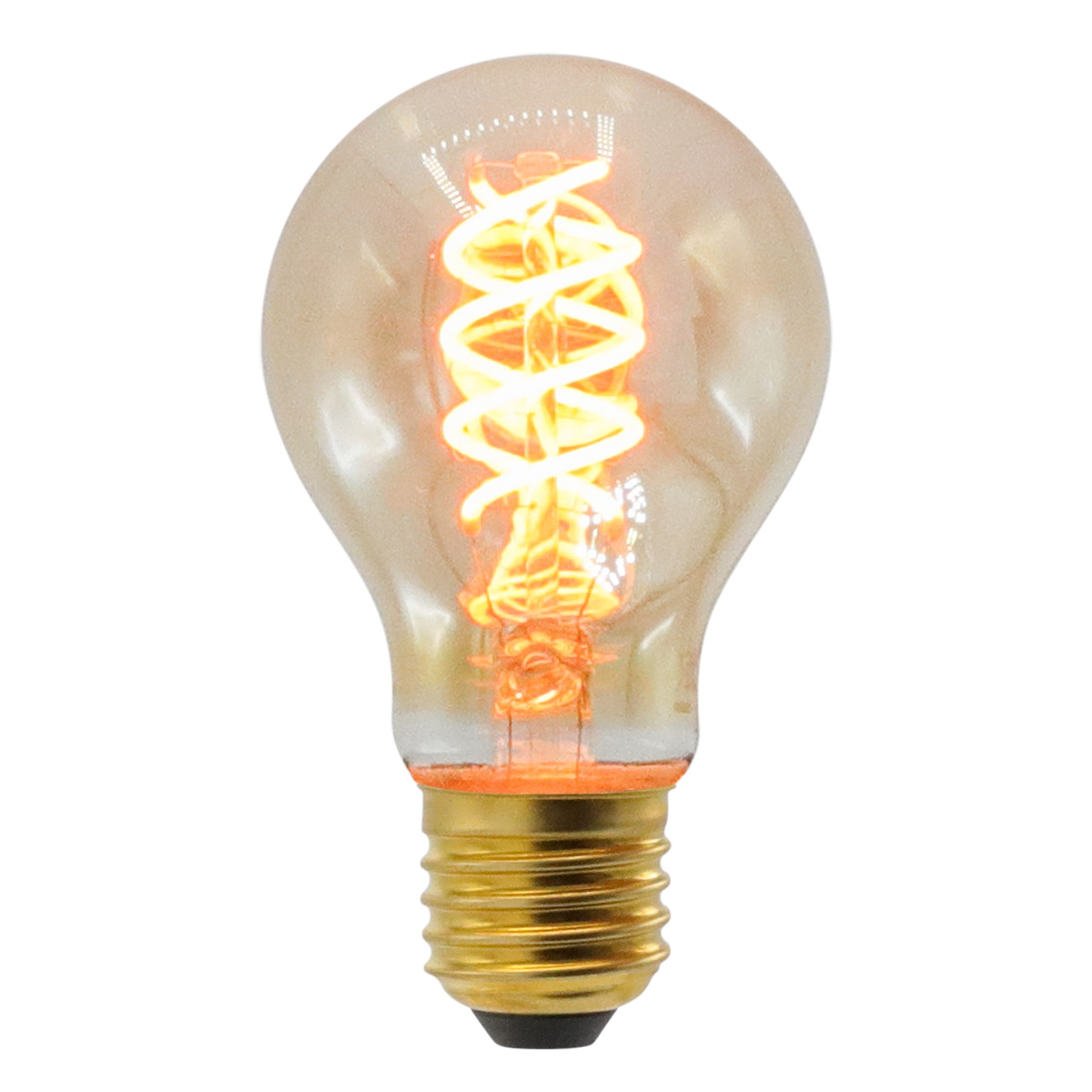
Spiral filament bulbs: a refined design feature
Not every light source needs to stay in the background. With spiral filament LED bulbs, you can add an extra layer of design to your lighting.
Instead of straight filaments, these bulbs feature a twisted, spiral-shaped light structure. This creates a playful, almost sculptural effect—especially in open fittings or glass lamps.
The light is often extra warm (around 1800K–2200K), allowing the spiral to glow softly and create a calm, atmospheric ambience. Ideal above the dining table, in the living room, or as a subtle eye-catcher in a corner.
You’ll also enjoy the benefits of LED technology: energy efficiency, a long lifespan, and instant full brightness.
The right light source makes all the difference
The right lighting goes beyond the fixture itself—it’s defined by the light source you choose. By selecting the right balance of lumens and Kelvin, you can create an atmosphere that complements your interior beautifully.
Whether you opt for a warm filament bulb above the dining table or a bright LED bulb for functional lighting, the right light source allows every fixture to truly shine.
The finishing touch: choosing the right fixture
Now that you understand how watts, lumens, and Kelvin work, choosing the right light source becomes much easier. You’re not just selecting a bulb that fits—you’re shaping the atmosphere in your space, from warm and cosy to bright and functional.
Discover our full range of lamps, from floor lamps to wall lights and pendant lights.
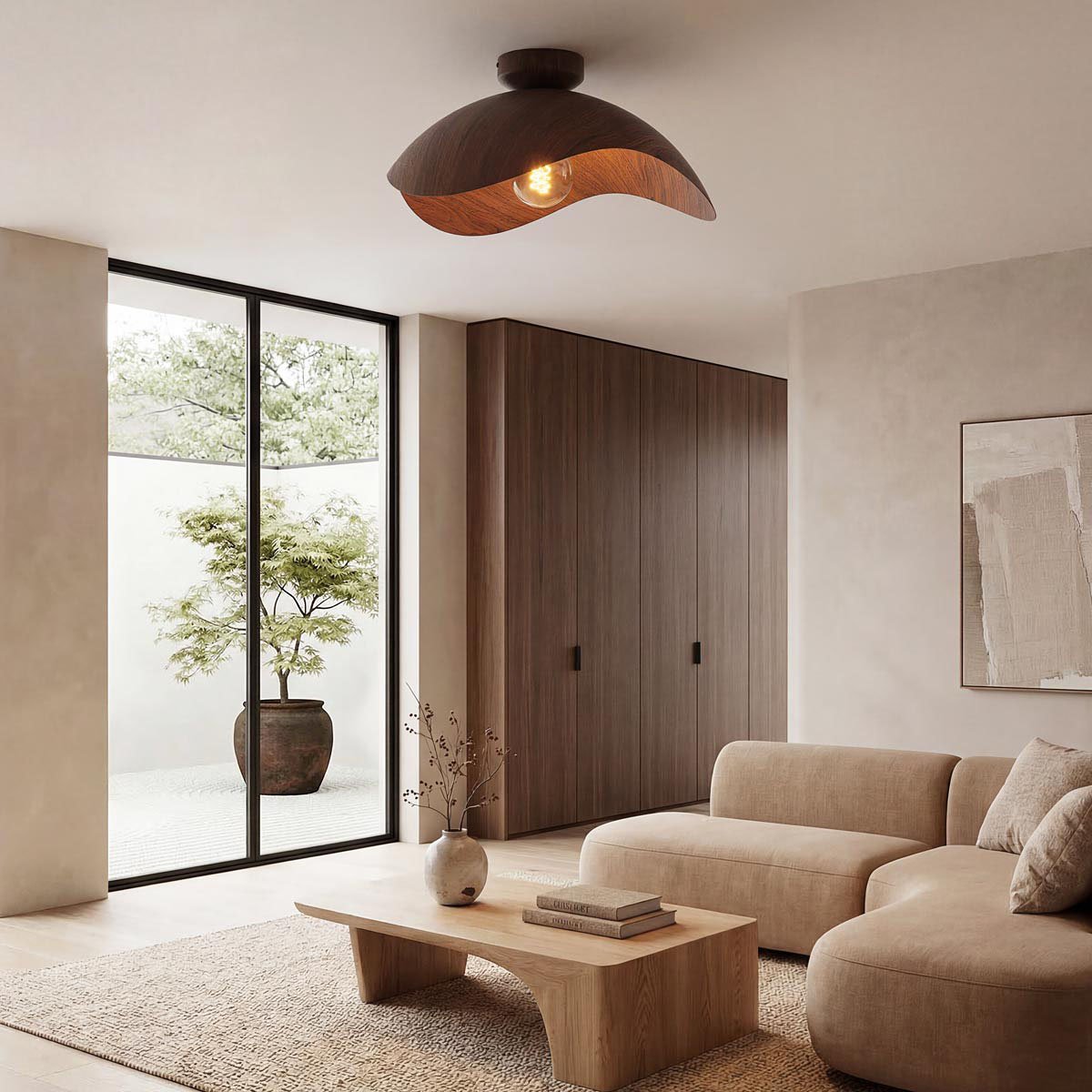
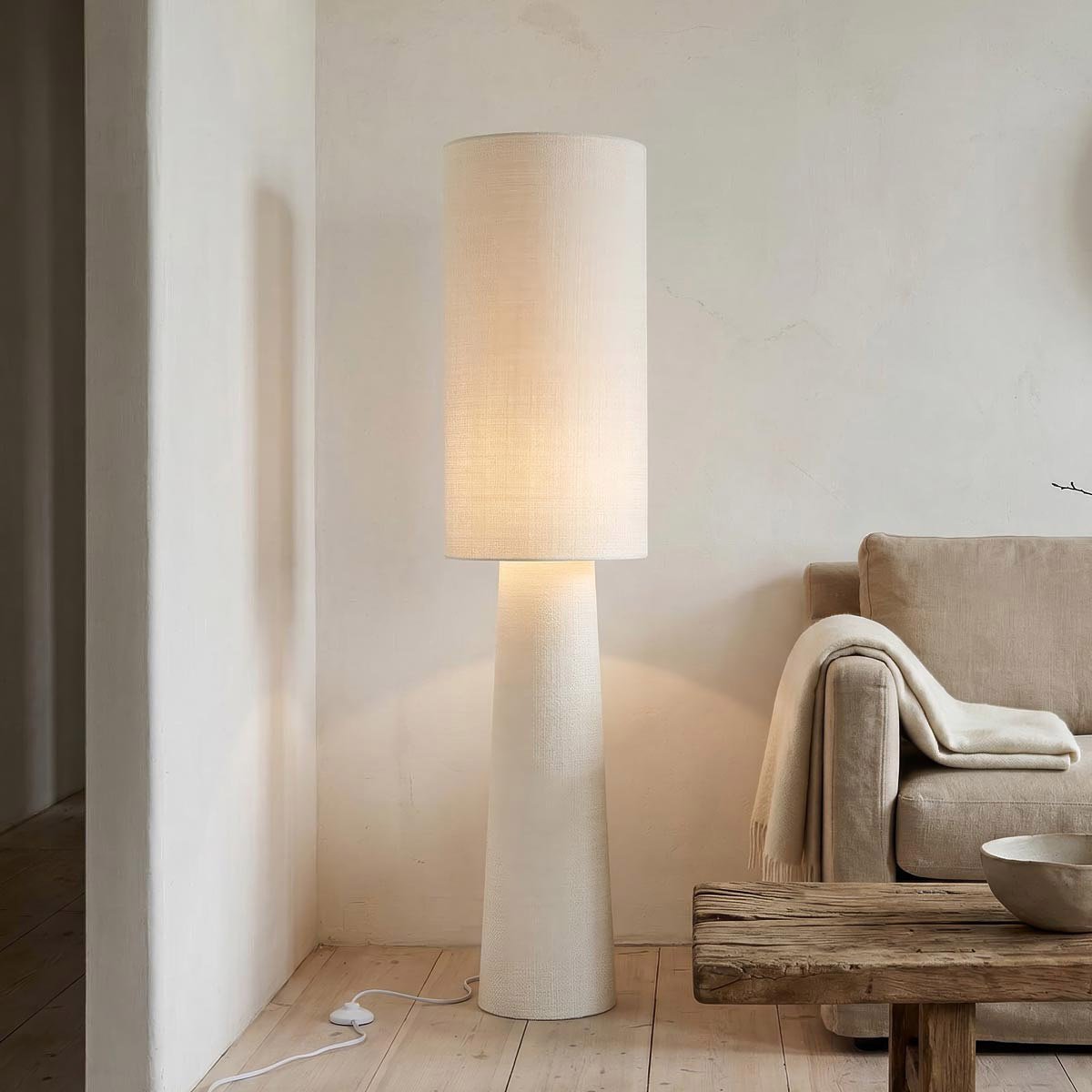
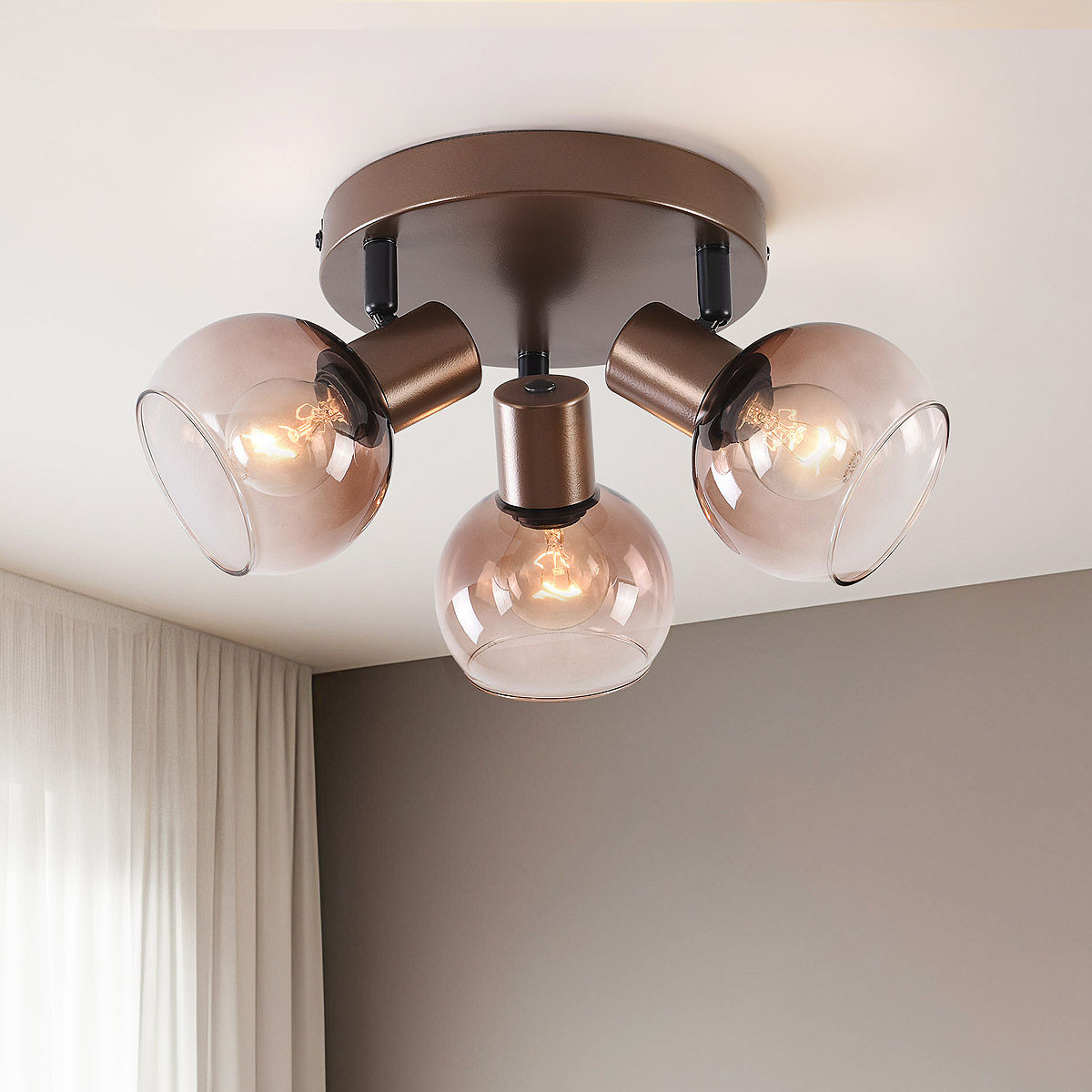
Next, choose the light source that perfectly complements your desired atmosphere.
Explore our latest blog articles for inspiration.
[products=blog_maart_2026]


