
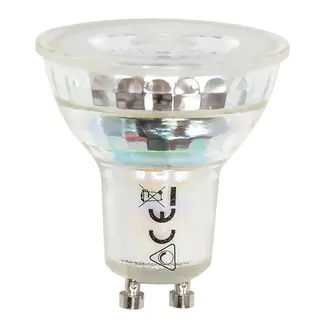
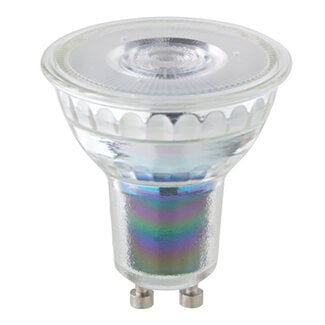
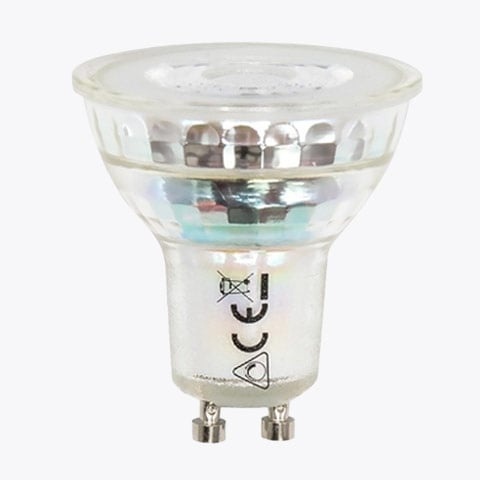
A concentrated beam
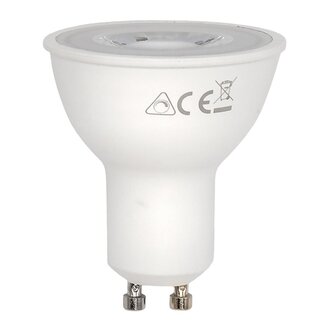
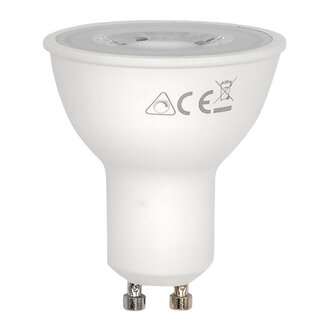
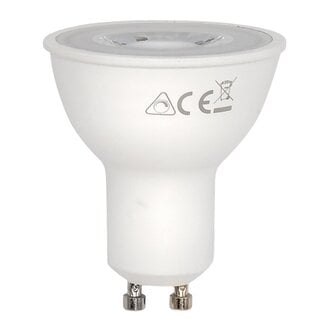
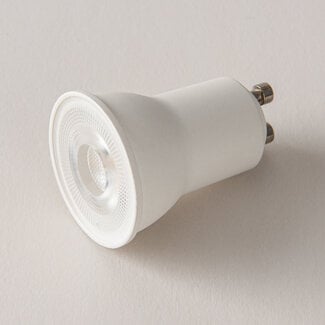
The beam angle determines how wide the light spreads from your spotlight. With a narrow beam angle, the light stays concentrated, giving you a clear, focused pool of light rather than a vague glow. That makes this GU10 bulb ideal when you want to make something specific stand out: the light falls on that one spot, while the rest of the room stays calm.
Where do you use it?
Use it to highlight a piece of art, a painting or a photo wall, or to accentuate a bookcase, display cabinet or alcove. It also works well above a kitchen worktop, where you want the light exactly on your chopping board rather than across the whole room. A narrow beam comes into its own in track lighting, where you can aim each spotlight precisely at its target.
More spotlights needed
Bear in mind that narrow beams mean you need more spotlights to light a room evenly, as each one covers a smaller area. If you mainly want general lighting, a wide beam angle is more efficient. Many people combine the two: wide beams for the base light and narrow beams for the accents.
Height counts
The higher your spotlight is mounted, the larger the pool of light becomes: a narrow beam gives a bigger spot at three metres than at two. With a high ceiling, a narrow angle is therefore often the better choice. Choose warm white light for an accent in the living room, or cool white above a worktop.


