
The sensor is in the bulb
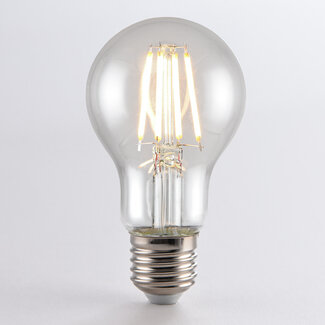
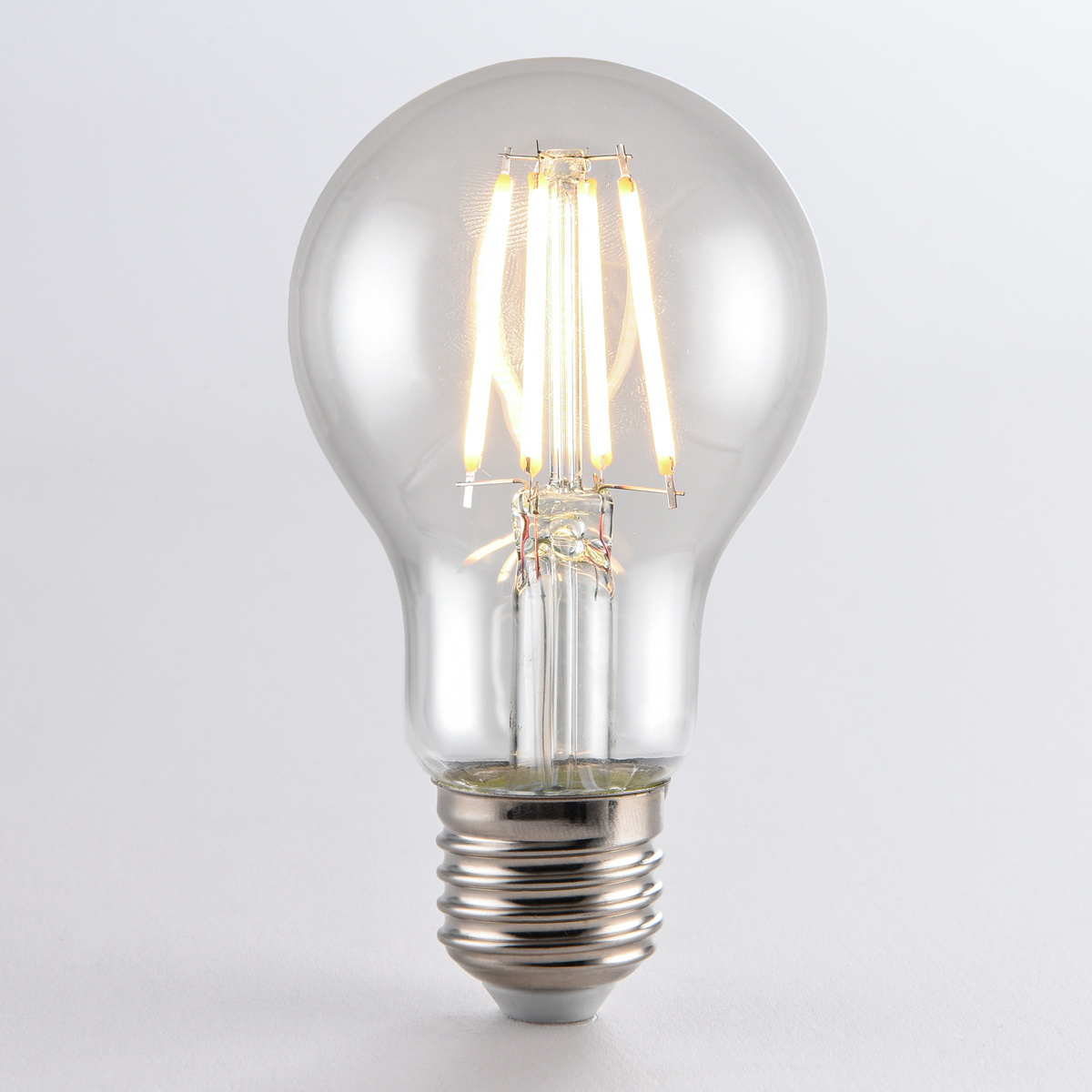
An E27 bulb with a built-in dusk sensor does the same job as a separate dusk sensor, without you having to connect anything. Screw the bulb into your fitting, leave the switch on, and the bulb takes care of the rest: it switches on when it gets dark and off again when it gets light. It could hardly be simpler.
Where do you use it?
Dusk sensor bulbs are particularly useful for outdoor lighting: a wall light by the front door, a lamp in the garden or one by a shed. You do not have to think about switching the light on and off, and the lamp stays off during the day. Indoors, they can also be useful in a hallway, by a window or in a lamp that you want to use to make it look as though someone is home while you are away.
What to look for
The sensor measures the ambient light, so the position of the bulb matters. If it is inside a closed shade or deep in a fitting, the sensor may not detect daylight properly. A street lamp shining directly onto the bulb can also make it think it is still light outside. Important: always leave the switch on, otherwise the sensor has no power and cannot switch the bulb on.
Alternatives
If you want to switch several lamps on automatically at once, a separate dusk sensor is more practical because it can control a whole group. If you want the light to come on only when someone approaches, take a look at our motion detectors. Many of our solar lights already have a built-in light sensor.


