
Lighting for a productive workspace
Office lighting needs to do more than create the right atmosphere. It should provide comfortable, consistent light throughout the working day, helping people concentrate without straining their eyes. Good office lighting provides sufficient light across the workspace while minimising glare. Poor lighting can leave people with tired eyes and make it harder to concentrate by the end of the day.
Which lighting works best?
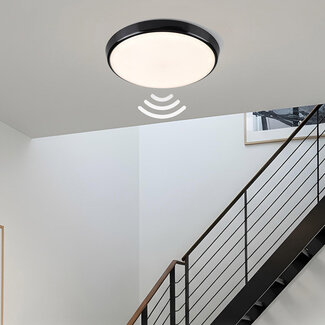
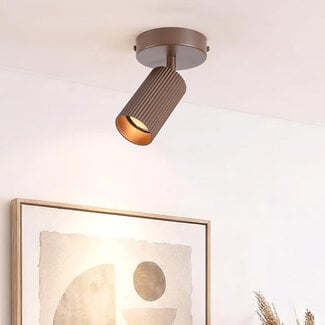
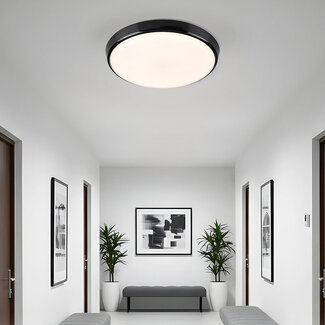
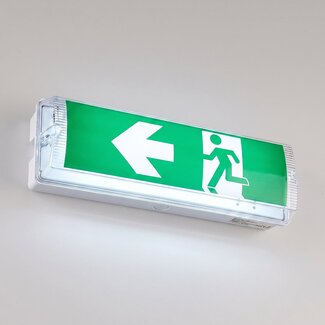
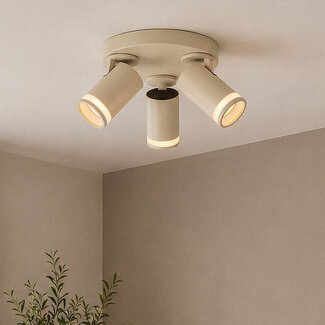
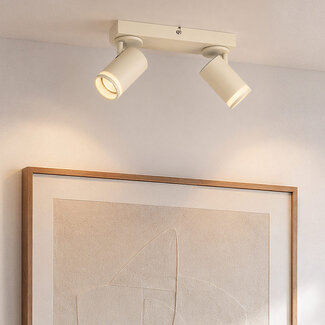
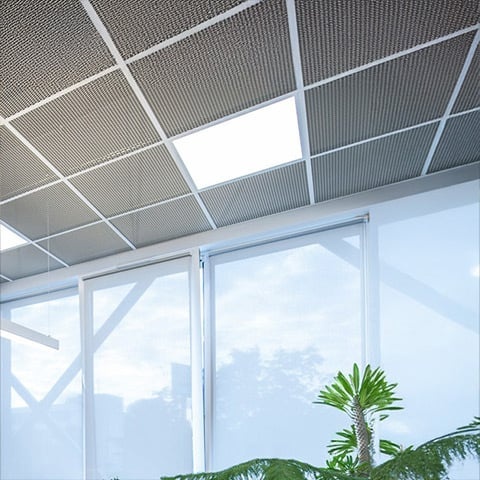
LED panels provide even, general lighting and are ideal for suspended ceilings. Recessed spotlights sit neatly within the ceiling and provide more focused lighting. Track lighting offers flexibility, allowing you to reposition the spotlights when the layout changes. Emergency lighting provides light during a power cut.
Reducing glare
In workspaces where people spend long periods looking at screens, the UGR value is worth checking. It indicates the level of discomfort caused by glare; a lower value generally means less glare. The position of the lights also matters, as reflections on screens can be distracting. Consider the layout of desks and screens when planning your lighting. Meeting rooms and consultation rooms may benefit from softer, warmer lighting to create a more relaxed atmosphere.
Colour temperature and energy efficiency
Neutral white light at around 4000K is a common choice for offices, providing clear, balanced lighting for everyday tasks. Warm white light is often better suited to reception areas and staff kitchens, where a more relaxed atmosphere is welcome. As office lighting is used for many hours each day, energy efficiency is also important. LED lighting uses less electricity than traditional lighting and has a long lifespan, helping to reduce running costs. Explore our full range of business lighting for more options.


