
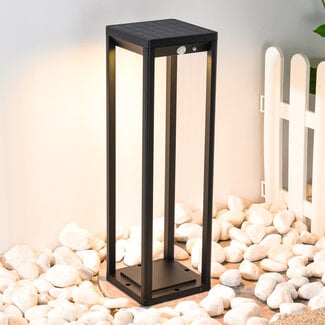
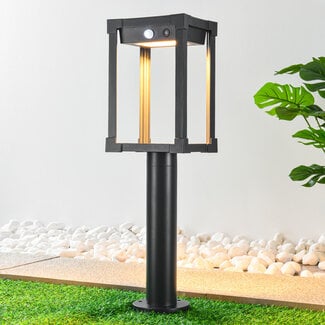
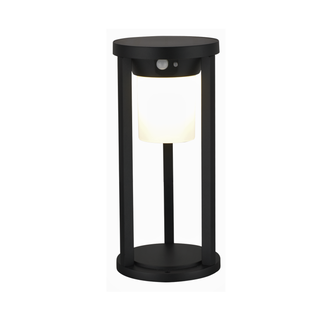
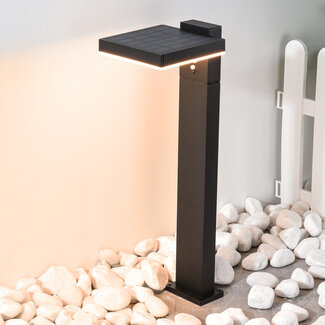
Light when you need it
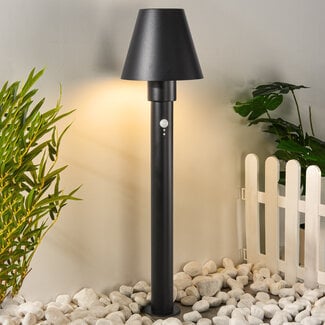
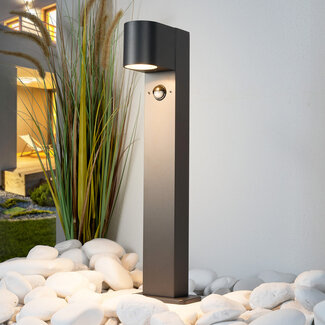
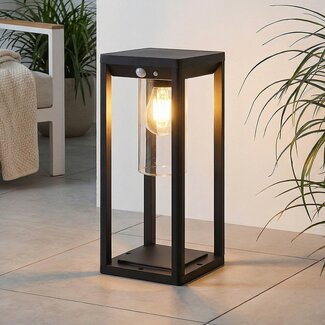
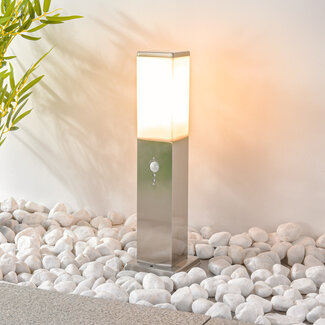
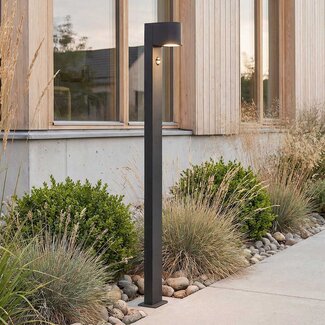
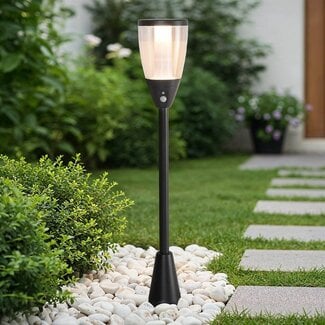
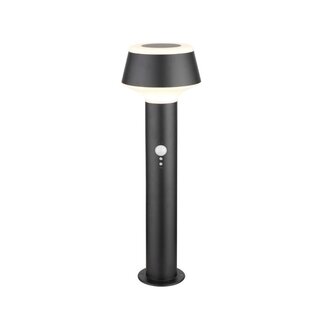
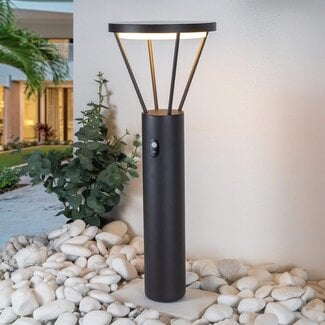
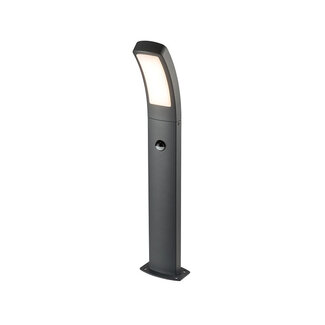
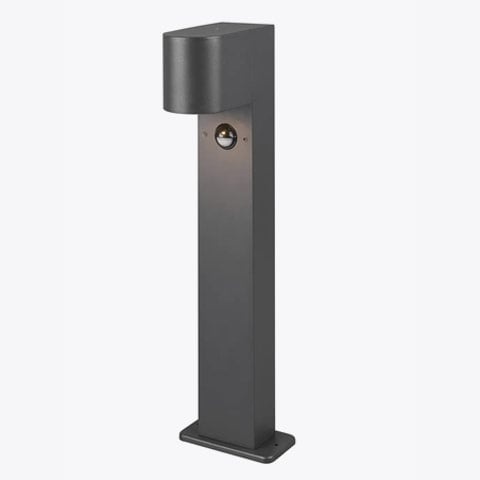
An outdoor floor lamp with a motion sensor switches on automatically as soon as someone approaches, and goes off again after a set period without movement. A garden path or driveway is exactly where this works well: you get light when you need it, while the garden stays dark the rest of the time. This saves power and prevents unnecessary light nuisance for your neighbours.
Sensor or dusk sensor?
That depends on what you want to achieve. If you mainly want to see where you are walking safely and do not want your garden lit all night, a motion sensor is a logical choice. If you want ambient lighting instead and want your garden to look inviting all evening while you are indoors, a dusk sensor is more suitable. Many people combine the two: ambient lighting on a dusk sensor, with a motion-sensor lamp by the driveway.
Mind the placement
Pay attention to the detection range and angle. Where possible, position the sensor across the direction of movement, as it detects movement passing across its field of view better than movement coming straight towards it. In a garden, also make sure the sensor is not aimed at moving plants or a busy street. A shrub moving in the wind can make your lamp switch on repeatedly throughout the evening.
What to look for
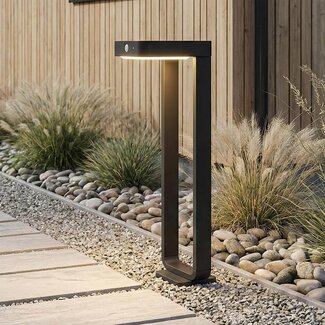
Pay attention to the stated protection rating (IP rating): a floor lamp stands low to the ground, where water can splash up. If you already have lamps in place and want to automate them, you can also use a separate motion detector. Many solar models also have a built-in sensor.


