




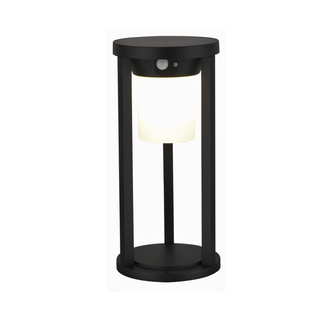
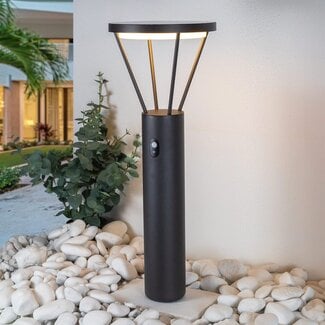
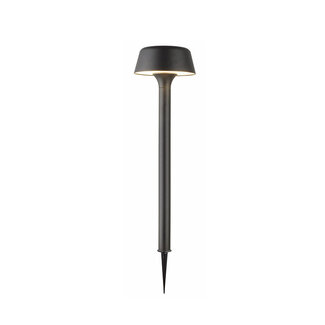
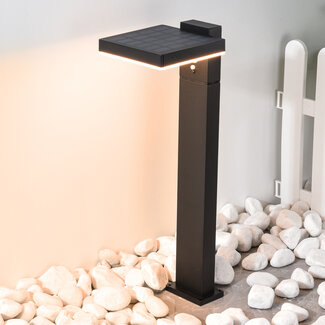
No trench to dig
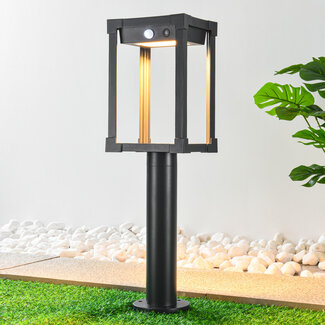
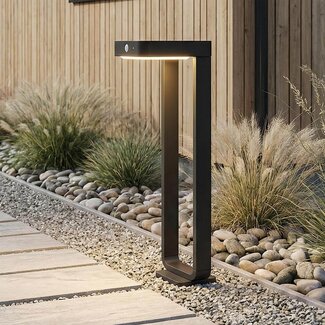
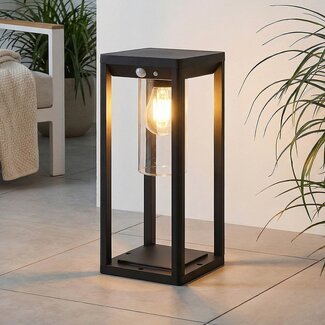
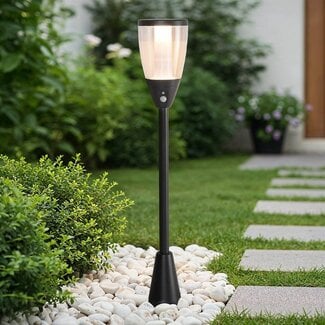
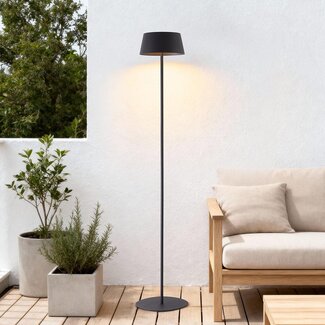
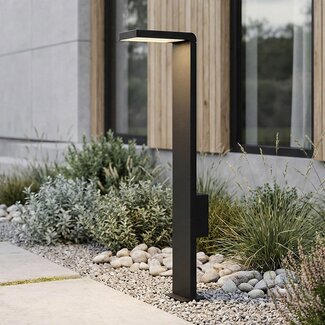
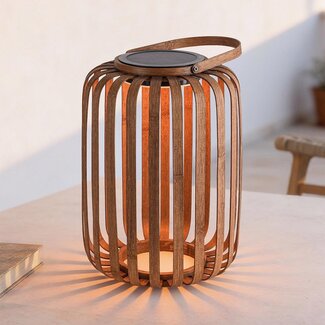
This is the big advantage. If you want four lamps along your garden path on mains power, you need to run a cable into the garden: dig a trench, lay an underground cable and fill it in again. With a solar floor lamp you simply put it in the ground and you are done. Solar outdoor lighting is easy to position and switches on automatically as soon as it gets dark, thanks to the built-in light sensor.
Easy to move
Because there is no cable attached, nothing is fixed in place. If you change your borders, move a path or decide you do not like the spot after all, you can pull the lamp out and place it somewhere else. That also makes solar a good way to try out what works before you install something permanently.
Place it in the sunniest spot
How long the lamp stays on depends on how much sunlight the panel receives during the day. So give the lamp a spot where it gets plenty of sunlight, rather than placing it in the shade of a hedge, tree or fence. This can be particularly important along garden paths, where planting is often right beside the path. Also keep in mind that a solar lamp stays on for less time in winter than in summer.
Solar or mains power?
Solar is the simplest and most flexible option, but a mains-powered model provides more brightness and reliable performance all year round. If you want a fixed, powerful lighting scheme along a driveway, mains power is the stronger option. You can find more solar lighting for your garden in our solar lighting range.


