


Why a dimmer?
A dimmer lets you adjust your lighting to suit the situation. With dimmable bulbs, you can gradually increase or decrease the brightness. Turn it up when you want to read a book or need more light while eating, then turn it down when you want softer ambient lighting.
Which dimmer suits you?
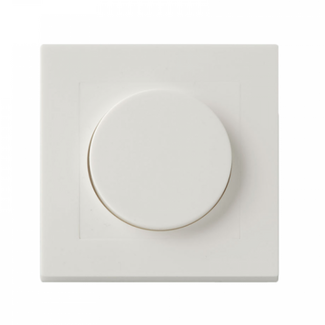
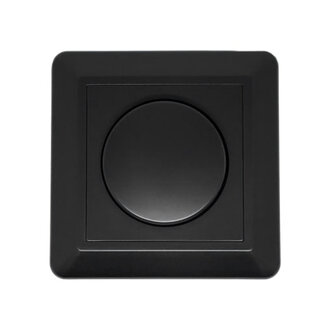
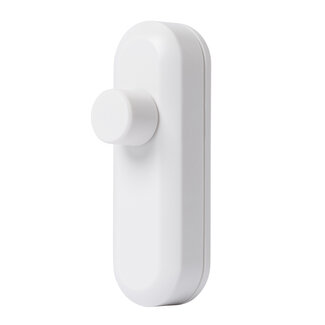
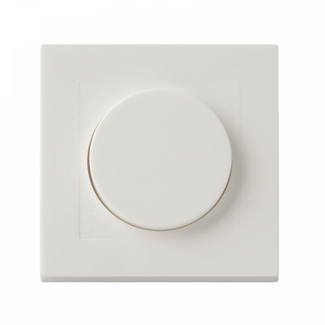
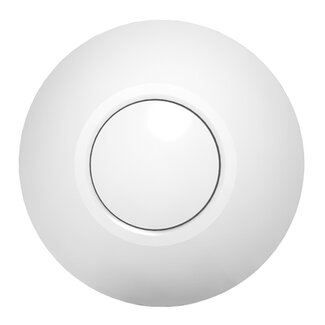
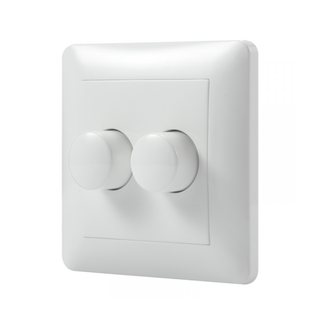
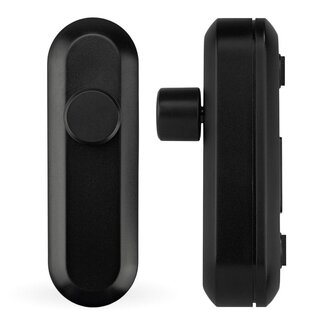
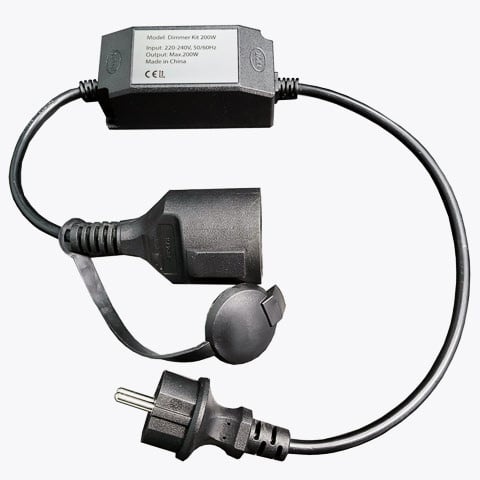
A wall dimmer switch is recessed into the wall and is designed for fixed lighting connected to a light point. An inline dimmer goes between the plug and socket and is suitable for indoor use (IP20). A dimmer set comes with a remote control and is suitable for outdoor use (IP44). A cord dimmer is fitted directly into the cord of your lamp.
Pay attention to the load
Every dimmer has a minimum and maximum wattage it can handle. Add up the wattage of all the lamps you connect to it and check that the total falls within the dimmer's range. If the load is too low, the light may start to flicker. If it's too high, the dimmer isn't suitable. The product details state the load range for each dimmer.
Indoors or outdoors?
Pay close attention to the protection rating. A dimmer with IP20 is suitable for indoor use only. If you want to dim your festoon cable on the patio, for example, choose a version with IP44. This is splashproof and therefore suitable for outdoor use.
Only with dimmable bulbs
A dimmer only works with dimmable lighting. We have various types of dimmable LED bulbs in our range, including standard dimmable LED bulbs and dimmable filament LED bulbs. Our dimmers are plug and play and are also suitable for dimming our 230V LED strips. If you'd rather not install a dimmer, a 3-step dimmable bulb is an alternative: you can dim it using the ordinary on/off switch.


